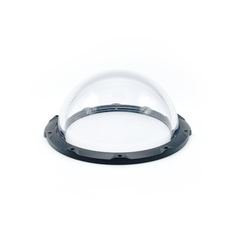
Choose a watertight enclosure for underwater electronics by internal space, material, operating depth and cable-entry needs. Tubes, end caps, flanges and seals are sold separately, so check the rating of the complete assembly, not of one part.
Free delivery in IndiaIncluded in every price
Usually 2 weeks to your doorDate confirmed on your quote
Quote within one business dayNothing to pay when you ask
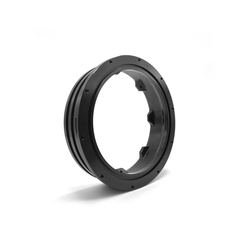
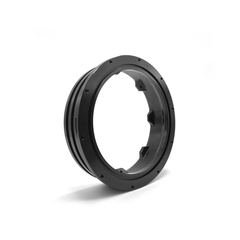
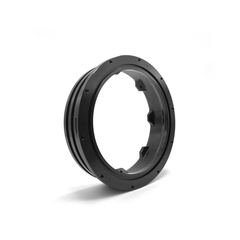
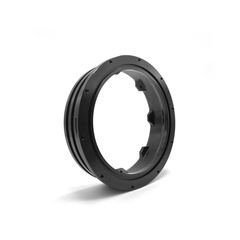
Watertight Enclosure End Caps, Domes, and Flange Caps - 125 mm (5") End Cap - Dome - Optically Clear…
₹23,979.45
₹23,979.45
View details
Showing 5 of 5 products.
How to choose enclosures and housings
Size the tube to the electronics, then check the length
Lay out the boards, battery and connectors first, then pick the inner diameter and length with room for wiring and a tray. A longer tube of the same diameter holds more but weighs more and needs more buoyancy.
Acrylic or aluminium
Clear acrylic lets you see a leak and suits cameras and shallow work; aluminium goes deeper and sheds heat. Our comparison sets out the trade-off.
A housing is only as deep as its weakest part: the tube, each end cap or dome, the flanges and every penetrator through them. A rating printed for one part does not carry over to the assembly.
Plan the cable entries
Count every cable that must pass through an end cap, add a spare, and choose the cap by its hole count and thread.
Does a vacuum test prove a housing is good to its depth rating?
No. A vacuum test shows the seals are seated and holding. It says nothing about how the tube, caps and dome behave under external water pressure, which the manufacturer's rating and, for critical work, a pressure test cover.
Can I mix end caps and tubes from different manufacturers?
Only where the manufacturer states they fit. Tube diameters, flange designs and O-ring sizes differ between series, so treat parts from different series as incompatible unless documented.